


Favor Runner: Deliver & Earn
4.72.58K Reviews
App Specs
- Version
- 8.15.0
- Updated On
- License
- Free
- Downloads
- 500,000+
- Developer
- NeighborFavor, Inc.
- Categories
- Business
- Platform
- Android
Screenshots
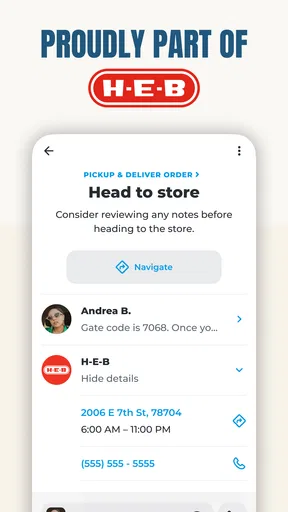
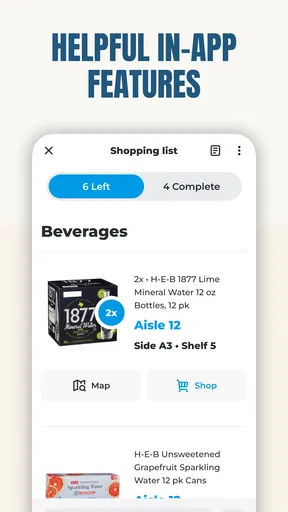
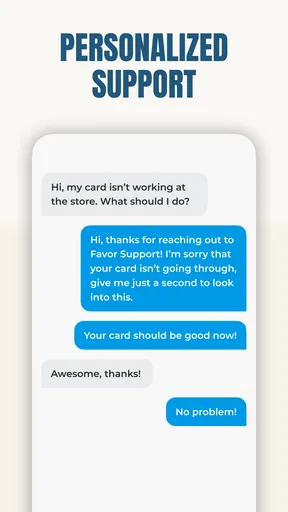
 Analysis by AppCompare
Favor Runner: Deliver & Earn is the kind of business app that makes sense immediately if you live in Texas and want to turn spare driving time into paid delivery work. I approached it less like a casual app download and more like a tool I would need to open repeatedly, plan around, and depend on during ordinary weeks. That distinction matters: the first impression is easy to like, but the lasting value depends on whether the work fits your schedule, vehicle, patience, and local demand.
The app is built by NeighborFavor, Inc., and its purpose is straightforward: it connects people who want to deliver with Favor’s delivery operation. It is free to download, rated for Everyone, and sits in the Business category rather than entertainment or personal finance. Its current version is 8.14.0, and it supports devices running iOS 9 or later. That broad age rating and low entry cost make it approachable, although the real commitment begins after installation, when you decide whether running deliveries is worth the time and expenses involved.
What I like most is that the app does not need to pretend to be more than it is. It is a work tool for Texans who want to become a Favor Runner, not a general-purpose courier marketplace for every location. That regional focus is both its clearest strength and its first important limitation. If you are in the right area and already have dependable transportation, it can be a practical way to explore delivery work. If you want a nationwide platform, a fixed hourly wage, or a completely predictable routine, I would look elsewhere.
What using Favor Runner feels like after the first few days
During the first week, the appeal comes from the simple idea of converting otherwise unused time into delivery shifts. The app’s store summary speaks directly to Texans who want to deliver and start earning, and that message matches the basic experience I expected from a runner-focused tool: the phone becomes the place where work opportunities, delivery decisions, and the day’s activity come together. There is no need to build a complicated business plan before trying it. The low financial barrier makes experimentation easier.
That does not mean the first week is effortless. Any delivery app asks you to think beyond the screen. You need to consider fuel, parking, traffic, weather, vehicle wear, and the time spent waiting between tasks. My strongest early advice is to treat the first few sessions as a test of your routine rather than proof of guaranteed income. Notice how long a typical delivery occupies you from accepting it to finishing it, not just how attractive the individual offer looks at first glance.
A useful habit is to choose a small, clearly defined window for your first runs. Instead of leaving the app open all day, I would decide when I am available, keep the vehicle ready, and review the results afterward. This makes it easier to judge whether Favor Runner fits around another job, school, family responsibilities, or personal errands. It also prevents the common mistake of confusing “I can deliver today” with “this is a sustainable work pattern.”
The first-week experience is especially appealing to people who already know their city. Familiarity with neighborhoods, restaurant locations, apartment buildings, parking patterns, and busy roads can reduce the mental load. A new driver may spend more time searching for entrances or deciding where to wait, while a local runner can make faster choices. That local knowledge becomes a practical advantage even though it is not something the app itself can provide.
Worth Reading Before You Choose

EA SPORTS FC Mobile 26 Is a Bigger Football Game, but It Takes Time

Flipboard Shows What News Apps Must Do Beyond the Feed

Switching to Android Auto Means Rethinking Your Driving Routine

Google Calendar Makes a Crowded Week Easier to Manage

Ludo King Makes the Most of the Minutes Between Plans

Baby Panda World Brings Quick Play to Modern Phones, but Its Game Library Feels Busy
I also found that the app’s value is easier to understand when viewed as a scheduling aid rather than a passive earning button. Opening it only when you hope money will appear can lead to disappointment. Opening it as part of a prepared delivery routine is more realistic. Charge the phone, check the vehicle, bring whatever you need for a long period away from home, and decide in advance how far you are willing to travel. Those small preparations have more effect on the experience than repeatedly refreshing the app.
The audience size suggests that this is not an obscure experiment. Favor Runner has passed 500 thousand installs, with an average rating of 4.7 from around 19 thousand ratings and about 2.6 thousand written reviews. I see those figures as evidence of strong interest and generally positive user reaction, but not as a promise that every runner will have the same results. Delivery work changes with location, timing, traffic, personal expenses, and the amount of effort someone is willing to put in.
Who gets the most from the early experience
I would recommend trying it first to someone who already has a car or another suitable way to travel, understands that delivery work involves more than driving, and wants flexibility instead of a conventional shift. It can also suit a person who has a few free blocks each week and prefers testing an opportunity gradually. The free price removes one obvious obstacle, so the main question becomes whether the work itself fits your circumstances.
It is a weaker match for someone who needs dependable income at a known hourly rate. It is also not ideal if you dislike navigation, customer-facing errands, city driving, or making judgment calls under time pressure. People without reliable transportation should be especially cautious, because fuel and maintenance can change the practical value of every run. The app may be free, but delivering is not cost-free.
Why the value either survives or disappears after the first month
Novelty fades quickly in delivery work. After the first few sessions, the important question is no longer whether the app is easy to open. The question is whether it helps you build a repeatable routine that still feels worthwhile when traffic is heavy, orders take longer than expected, or your free time is less convenient than usual. Favor Runner earns lasting space on my phone only when I treat it as one part of a broader weekly plan.
For month-to-month use, I would keep a simple private record of time spent, fuel used, parking costs, and the money received. I would not rely on memory or judge a week by its best run. This is one of the most important non-obvious trade-offs: a delivery can look attractive while you are accepting it, yet become much less appealing after a long wait, a difficult drop-off, or a return trip through slow traffic. A basic record turns vague satisfaction into a more honest decision.
Another useful workflow is to separate “available time” from “profitable time.” You may be willing to drive for three hours, but that does not mean all three hours are equally productive. If the app becomes part of your monthly routine, compare the periods when you are active with the periods when you are merely waiting. That distinction helps you decide whether to keep the app open during quiet stretches or reserve it for times when you already expect to be near useful delivery activity.
Favor Runner is more likely to remain useful when it complements your existing movements. For example, I can imagine a runner planning a delivery window near errands, a familiar part of town, or a route that does not force an inconvenient return. That does not eliminate extra driving, but it can reduce the feeling that every session is a separate expedition. The app works best when it supports a deliberate plan instead of controlling the entire day.
There is also a psychological advantage to setting a stopping rule. Before starting, decide how long you will work or what kind of situation will make you stop. Without one, it is easy to continue simply because you are already out, even when the session has become tiring or inefficient. A clear limit protects your time and helps you review the app fairly. Long-term usefulness is not only about accepting more deliveries; it is about knowing when the work no longer deserves your attention.
Compared with a traditional part-time job, the main attraction is flexibility. You can explore delivery work without committing to a fixed employer schedule in the same way. Compared with a general gig-work app, Favor Runner is more focused on the Favor delivery role and Texas availability. That focus may make the experience feel more relevant if Favor is the service you specifically want to run for, but it also means you should not expect the breadth of opportunities that a multi-platform approach might offer.
A multi-app strategy can provide more alternatives, but it brings its own burden. Switching between platforms, tracking separate earnings, managing different workflows, and deciding which request to prioritize can make a simple day feel like administrative work. I would choose Favor Runner alone if I value a more focused routine and have enough local activity. I would consider another option if I need to compare opportunities constantly or if my area does not provide enough consistent work through Favor.
The maintenance work that determines whether it stays installed
The app itself is only one part of the maintenance burden. A runner has to keep the phone charged, preserve enough mobile access for navigation and communication, maintain the vehicle, and stay organized with personal records. These responsibilities are easy to ignore during the first enthusiastic week. They become impossible to ignore after repeated sessions, especially when a small preparation problem creates delays during a busy period.
I would also make a routine of checking the app before leaving rather than assuming every day will look the same. Availability, travel conditions, and personal energy can change. A quick review helps me decide whether I am genuinely ready to work or merely tempted by the idea of earning. That distinction is valuable because delivery work punishes half-hearted preparation: starting late, forgetting essentials, or accepting a task while distracted can make the entire session feel harder.
Keeping the app updated is sensible, particularly because the current release is 8.14.0. I would still avoid updating at the exact moment I am about to begin an important work window. Install updates when I have time to check that the app opens properly and that my phone is ready for navigation. This is a small maintenance choice, but work apps deserve the same care as any tool used for earning.
Organization matters after a delivery too. I would finish each task completely before mentally moving on, confirm that I know where I am going next, and avoid letting several unfinished decisions pile up. The more tired I become, the more useful this deliberate rhythm is. It reduces avoidable mistakes and keeps the app from becoming a source of constant mental clutter.
The biggest ongoing cost is not tapping through screens; it is preserving the conditions that make delivery sensible. Fuel, tires, servicing, cleaning, phone charging, and time all matter. I would never evaluate Favor Runner solely by the amount shown in the app. The meaningful question is what remains valuable after the work has used my resources. That is the standard I would apply every month.
Where fatigue and frustration begin
The first source of fatigue is repetition. A delivery can be manageable on its own, but several errands in traffic require sustained attention, frequent parking decisions, and constant transitions between driving and walking. The app may simplify the work process, yet it cannot remove the physical and mental effort of being on the road. Anyone expecting a relaxed way to earn from a phone will probably be disappointed.
Uncertainty is another challenge. Even when the app helps organize delivery work, your day can still be affected by traffic, waiting, difficult buildings, weather, and customers who are not immediately easy to reach. I would leave more time than the most optimistic plan suggests. A schedule with no buffer turns one delay into a chain of rushed decisions, and rushing is exactly when navigation and parking mistakes become more likely.
There is also the fatigue of making small financial calculations repeatedly. Should I continue waiting? Is this area still convenient? How far am I willing to travel? Is the session still worth the fuel and time? Those questions are manageable occasionally, but tiring when they never stop. My practical solution is to establish personal boundaries before starting, including a preferred area, a maximum session length, and a point at which I return home.
Texas-specific use is both the app’s identity and its boundary. If you are not in Texas, the service is not a natural fit for your needs. Even within Texas, a person’s experience can differ greatly depending on the city and neighborhood. I would not install it expecting the same rhythm as another runner in a different part of the state. Local knowledge and realistic expectations matter more than the headline rating.
The comparison with ordinary alternatives becomes clearest here. A fixed part-time job offers more structure and may be easier to budget around, while Favor Runner offers more control over when you attempt to work. A general delivery platform may offer a wider range of opportunities, while this app keeps the runner role more focused. Public transit, cycling, or walking may be better for someone who wants to avoid vehicle expenses, but those choices depend heavily on the local delivery area and personal stamina. There is no universal winner; the right choice depends on which cost you would rather manage: reduced flexibility, vehicle expense, or platform complexity.
Questions I would settle before relying on it
If I were deciding whether to download it, my first question would be whether I am actually in the intended market. The app is specifically for Texans who want to deliver with Favor, so location is not a minor detail. My second question would be whether I have transportation and enough time to make delivery sessions practical. If either answer is no, the free download does not change the basic mismatch.
I would also ask whether I need immediate, predictable pay or whether I can test a flexible opportunity without depending on it for essential bills. Favor Runner is better suited to experimentation and flexible work than to anyone who cannot tolerate variation. I would begin with limited availability, track the real costs, and only expand the routine if the results remain worthwhile after several ordinary weeks.
Another question is whether I am comfortable managing the work independently. The app can be a useful center for delivery activity, but it cannot make decisions about my energy, vehicle condition, or personal schedule. If I want a job where the employer handles the structure and I simply complete assigned hours, a conventional role may be a better fit. If I prefer autonomy and accept the responsibility that comes with it, the runner model is more appealing.
Finally, I would ask whether I am willing to stop using it if the numbers or routine stop making sense. That may sound obvious, but it is an important long-term test. A delivery app should earn its place through repeated usefulness, not remain installed because the first week was exciting. The ability to reassess is part of using it responsibly.
My long-term verdict on Favor Runner
After the initial curiosity wears off, I see Favor Runner as a focused tool rather than a complete answer to flexible income. Its strengths are clear: it is free, built for the Favor Runner role, aimed at Texans, and easy to understand as a way to explore delivery work. The strong 4.7 average and substantial user base make it reasonable to investigate, but I would still judge it through my own local experience rather than treating popularity as a guarantee.
Its lasting value comes from a repeatable routine, not from the download itself. If I already have reliable transportation, know my area, and can choose sensible delivery windows, I can see this app staying useful month after month. The best users will probably be those who track their real costs, set boundaries, prepare before leaving, and view each session as a business decision rather than a casual drive.
I would skip it if I need fixed earnings, dislike driving under changing conditions, live outside its intended Texas audience, or cannot absorb vehicle and time costs. I would also avoid making it my only plan until I had tested the routine through normal weeks rather than unusually convenient days. Those limitations are not flaws in the app so much as realities of the work it supports.
For the right person, Favor Runner earns a place on the phone because it can turn flexible availability into a structured delivery attempt without an upfront app price. For everyone else, the novelty may fade once the practical costs and repetitive effort become clear. My recommendation is to try it with a defined schedule, keep honest records, and let the results decide whether it deserves a permanent place in your working routine.
Pros
- Flexible delivery work with the freedom to choose when you are available.
- Useful for earning extra income during spare time or between other jobs.
- Simple order-based workflow makes deliveries easy to track and manage.
- Can help local runners discover delivery opportunities in their area.
- Suitable for users who already commute and want to monetize their routes.
Cons
- Earnings may vary significantly depending on demand
- location
- and delivery distance.
- Fuel
- vehicle maintenance
- and other travel costs can reduce your actual profit.
- Busy periods may bring more orders but also increased traffic and delivery pressure.
- You may need to handle customer communication when addresses or instructions are unclear.
- Availability of delivery jobs can be limited outside major cities or active service zones.
FAQs for Favor Runner: Deliver & Earn
What is Favor Runner: Deliver & Earn?
Favor Runner: Deliver & Earn is a delivery platform app that allows eligible users to complete local delivery requests and earn money for their time. Runners generally use their own vehicle, bicycle, or another approved method of transportation to pick up and deliver items. The app is designed to manage available tasks, navigation, order details, and delivery status from one place.
How does earning money with Favor Runner work?
After completing the registration and approval process, runners can view available delivery opportunities through the app and choose tasks that fit their schedule. Earnings may include delivery pay, incentives, and customer tips, depending on the order and location. Actual income is not guaranteed and can vary according to demand, distance, time spent, expenses, and the number of deliveries completed.
What are the requirements to become a Favor Runner?
Requirements can vary by location, but applicants typically need to meet a minimum age requirement, own a compatible smartphone, have reliable transportation, and provide valid identification. Depending on local regulations, the platform may also request vehicle documents, insurance information, and background-check consent. Before applying, it is worth confirming that Favor Runner operates in your area and reviewing the current official eligibility rules.
Is Favor Runner: Deliver & Earn available everywhere?
No. Favor Runner availability depends on the cities and regions supported by the service. Even if the application can be downloaded, delivery opportunities may not be active in your location. Availability, onboarding rules, delivery zones, and the types of orders offered can change over time. Entering your location during registration or checking the official service coverage is the best way to confirm whether you can use the app.
What should I know about costs, safety, and privacy before downloading?
Using Favor Runner may involve personal expenses such as fuel, vehicle maintenance, parking, mobile data, and insurance, so earnings should be considered after these costs. Runners should also follow local traffic and delivery regulations and avoid unsafe driving practices. As with any gig-work platform, the app may collect account, location, payment, and delivery-related information. Review its privacy policy, permissions, payment terms, and independent-contractor conditions before signing up.


